Omega 3? Omega 6? or Omega 9?
Now I am going to put my hand up and say from the get-go that I am not a nutritionist.
But I do keep a keen eye on nutritional matters and supplementation is one of them. Lots of us know someone who takes a supplement. Just like that. Deciding they need something extra and just going ahead and buying it.
Usually, that approach doesn’t backfire – but if your supplements number more than 10, you could be doing more harm than good.
It’s all about balance.
We work best – emotionally, mentally and physically – when we are in balance. It is when we are not that this is expressed by symptoms.
So too many supplements can knock us off balance – as we are trying to achieve just that.
I thought it might be useful to just breakdown each of the Omegas and maybe clear up some grey areas for you.
Omega 3
- can’t be made by the body. Has to be found through food or supplementation.
- needed for our * immune system * brain * skin and hair * nerve health * eyes *endcocrine system (that creates and directs our hormones) *fight against inflammation
- The three main omega-3 fatty acids are alpha-linolenic acid (ALA), eicosapentaenoic acid (EPA), and docosahexaenoic acid (DHA). ALA is found mainly in plant oils such as flaxseed, soybean, and canola oils. DHA and EPA are found in fish and other seafood.ALA is an essential fatty acid, meaning that your body can’t make it, so you must get it from the foods and beverages you consume. Your body can convert some ALA into EPA and then to DHA, but only in very small amounts. Therefore, getting EPA and DHA from foods (and dietary supplements if you take them) is the only practical way to increase levels of these omega-3 fatty acids in your body.
- if you are going to buy Omega 3 supplements, ensure it is cold pressed, (to optimise its effects) includes Vitamin E, is fish oil (unless you are vegan) as fish oil contains more EPA and DHA than flaxseed oil.
- want to eat your Omega 3s? Check this out. And here is a chia seed pudding recipe. I don’t like it but you might.
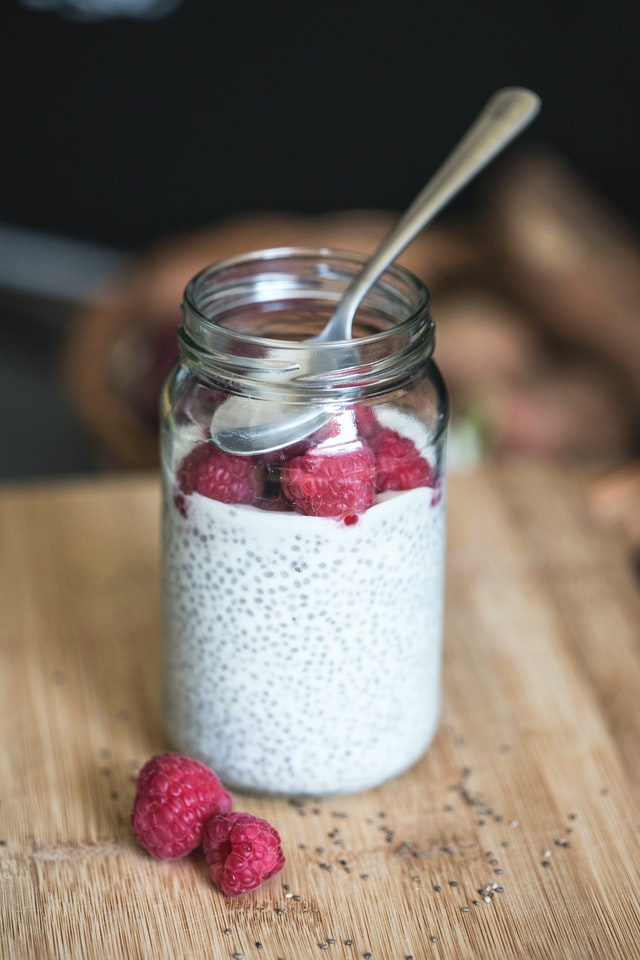
Photo by Milada Vigerova on Unsplash
Omega 6
- commonly found in Western diets. In fact, some research says that our Omega 3 to 6 relationship is unbalanced with far too much Omega 6 being consumed. There are indications that this can lead to a higher incidence of inflammatory disease – an example is arthritis. Balance is all. Most likely does not need supplementing.
- important for all organ function.
- on the food front, this is where you get your 6s.

Photo by Jakub Kapusnak on Unsplash
Omega 9
- Omega 9 fatty acids are vital for the health of our cells but can be produced by the body.
- examples of where you find Omega 9 in your food are found here.

Photo by Roberta Sorge on Unsplash
I have read that the consumption ratio of Omega 6 to 3 should be between 1:1 and 1:4. That in the typical Western diet the ration is more like 15 or 17:1.
It gives cause for pause doesn’t it?
I hope that has helped you sort the wheat from the chaff when it comes to the omegas. It’s good to be clear about what we are doing to ourselves I always think.