How much does alcohol feature in your life?
I have been drinking alcohol since I was 14 years old. Sneaking into pubs (at 14 I looked 35), sending the friend who looked the oldest to the bar (me, always me), keeping a low profile so we didn’t get kicked out, and drinking rum and black was one idea for a good evening out back then.
I have not had an alcohol dependency issue but drinking has been a constant feature in my life – the only sustained dry periods of my life have been during planned conception, pregnancy and breastfeeding.
In this country we have an interesting relationship with booze – it’s used (more excessively than in most other European countries) for celebrations, getting to the end of the day/week/work project, consolations, for social bravado, to enhance image, to release or suppress emotions….
Now, during the coronavirus lockdown drinking alcohol has become a daily part of many people’s lives – even for those who, in normal times, abstain Monday to Friday.
What about you?
Hormones and alcohol (Pssst! they are not friends).
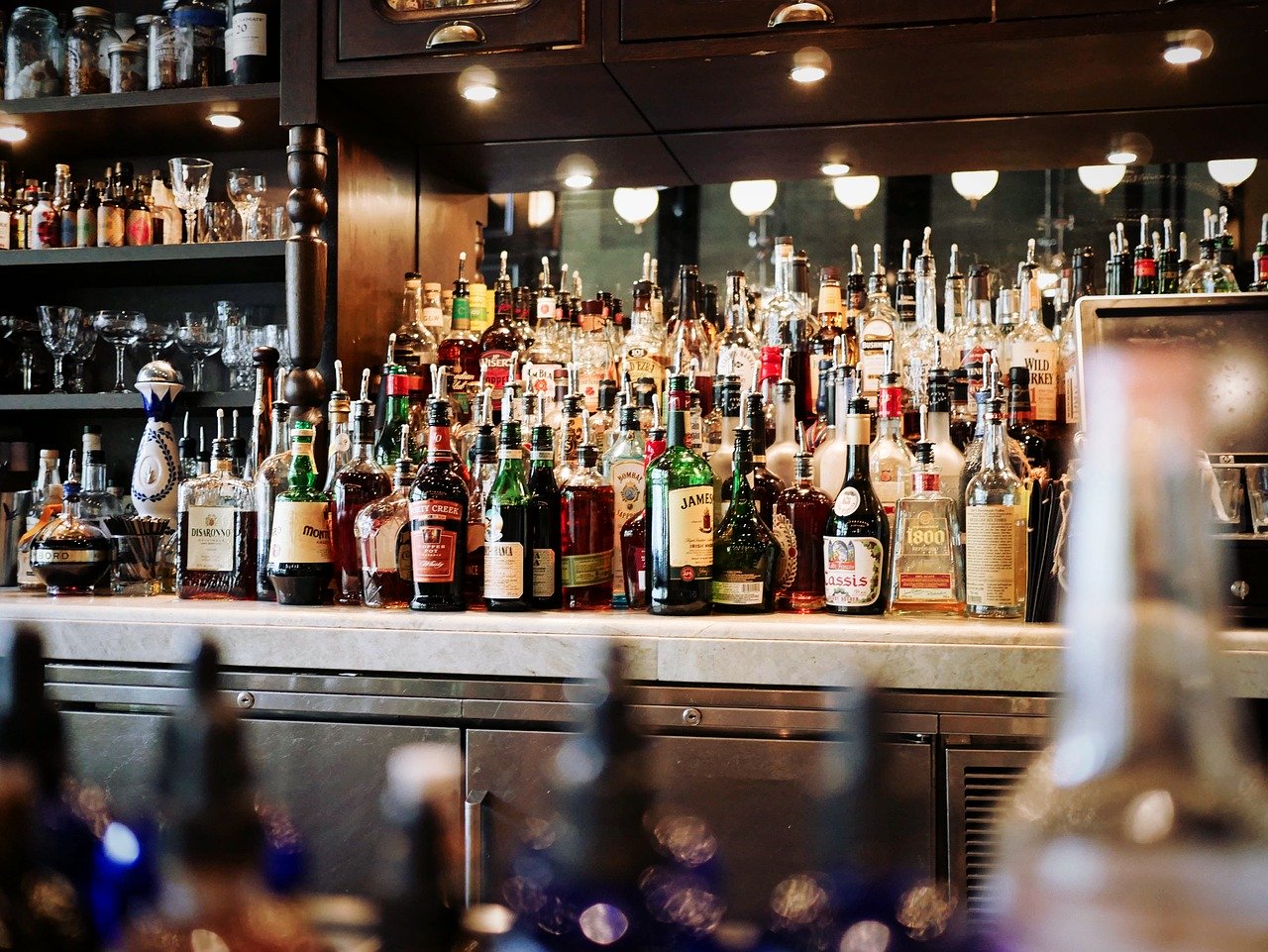
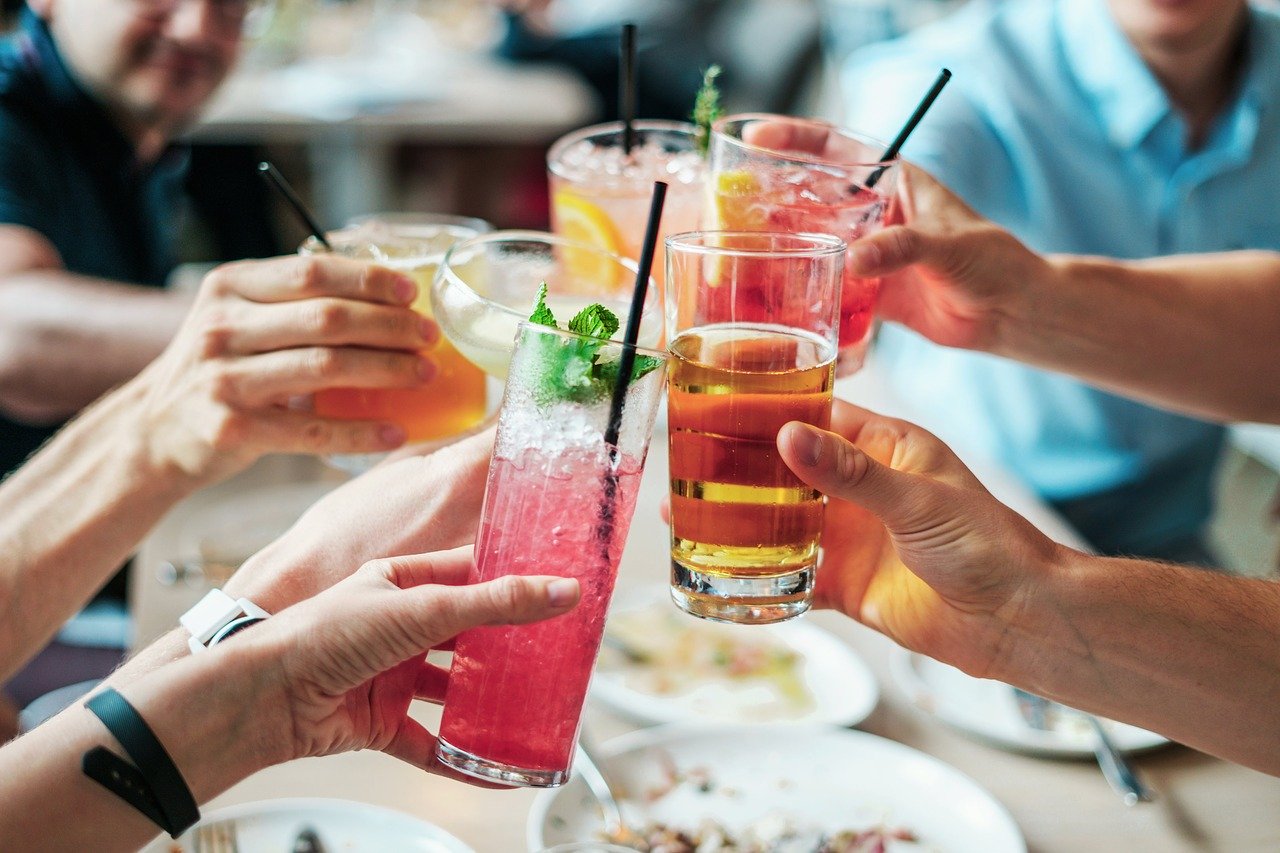 Image by bridgesward from Pixabay
Research shows that for women in their 40s and 50s, even “moderate” consumption of alcohol (one drink per day) can negatively affect the hormonal system.
Whatever phase of life women are in, alcohol affects our hormones.
That can mean that menopause symptoms – hot flashes for example – are exaggerated and aggravated.
In our younger years, alcohol can make our periods heavier.
Existing acne can worsen with the hormonal soup washing around our bodies.
Men too can have their hormones affected. It is after all why some men can develop ‘man boobs’ as extra tissue builds up on their chests. They put on weight with their alcohol consumption, and then develop ‘moobs’. Which leads us nicely to …
..Our liver and alcohol.
I have written before about what an important role our livers have in our bodies. You can read about it here.
Most people know about the connection between regular alcohol consumption and poor liver function. But in addition, the liver processes excess hormones. So if the liver has to down tools on its routine work and deal with the alcohol, it stands to reason that some important work does not get done. And that includes processing hormones and cleansing the body. Which leads us nicely to…
..Our skin and alcohol
We know how we feel the morning after the night before. Dried out, right? Hence the throbbing headache, the raging thirst and dry mouth.
It also dries out our skin. Alcohol is a known diuretic (meaning it makes you pee more) and actually prevents your body from extracting water from urine in the kidneys. This means we feel dehydrate you, and our skin can appear ashy or lusterless.
But it doesn’t stop there. The hormone disruption caused by persistent and regular alcohol consumption can lead to
- hot flushes,
- broken or dilated (red face anyone?) blood vessels,
- acne,
- or puffiness,
- dehydrated skin. And therefore early lines, more visible open pores and wrinkles.
In addition, those with eczema-like symptoms can find alcohol leads to flares where the itchiness, flakiness and redness increase. As it does for those of us dealing with rosacea.
What could we be doing?
 . Image by Colin Behrens from Pixabay
- clearly reducing our alcohol consumption is a good first step. Either reducing our drinking to every other day, or only at weekends (but not bingeing to make up for abstinence in the week).
- increasing our drinking of water/ non alcoholic drinks. Drinking more water will obviously dilute the impact of the alcohol and flush it out of our systems. Think about adding in a non alcoholic drink between each alcoholic one.
- not drinking on an empty stomach and keep an eye on just how much and how regularly we are drinking. It can be easy to do what the people around us are doing. Or doing what we have always done.
- consider focussing on healthy fats and lean sources of protein; these will help to slow digestion and the absorption of alcohol. Avoid foods that contain refined carbohydrates, like cookies, chips, and rice as they are absorbed quickly and won’t slow the effects of alcohol.
Interested in how I can help? Book a 30 min free call with me here.