Image by silviarita from Pixabay
Constipation is not a subject that many people want to talk about – but I do! And so does Giulia Enders:
Constipation happens in the large intestine. It ‘results from a disconnect between the nerves and the muscles of the gut..it is not until the very end of the large intestine that disagreement arises as to whether the contents need to be expelled right away or not’
Read further to see what else she has to say in this review of Gut – The Inside Story of our Body’s Most Underrated Organ by Giulia Enders.
What causes constipation?
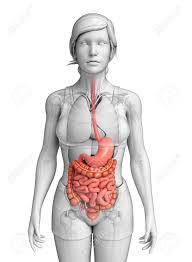
The first thing to think about is the small intestine. This is the part of the gut whose function is to digest and absorb the food we eat. It is long (between 3 and 6 metres) and coils around just under the stomach. ‘It works most effectively when we are pleasantly relaxed. It means the optimum amount of energy is available for digestion, and our blood is not full of stress hormones.’
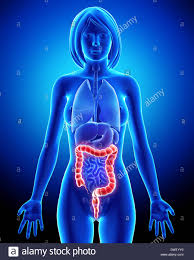
Have a look at the picture below to see how it surrounds the small intestine:
How were you when you ate your last meals?
Were you relaxed or were you thinking about how quickly you needed to clear up afterwards because you had something else to do?
Were you sitting at your desk working while bolting down a sandwich because you did not feel you had time to stop working?
Enders goes on to say:
“The dinner table should be a stress free zone…this is important for adults, but it is vital for small children, whose gut brain develops in parallel with their head brain. The earlier in life that mealtime calm is introduced, the better. Stress of any kind activates nerves that inhibit the digestive process, which means we not only extract less energy from our food, but we also take longer to digest it, putting the gut under unnecessary extra strain.”
Gut/Skin/Immunity – all joined up
The connection between the gut and our moods, our skin and our immune system is still in its infancy. What we do know is that our digestive system has its own nervous system working in tandem with our central nervous system.
This is why when we feel nervous we may have diarrohea or vomit or experience constipation. It is worth thinking about this if you suffer somewhere along the spectrum of Irritable Bowel Syndrome (IBS), ulcerative colitis or Crohn’s disease. These conditions have a connection with emotions and stress in particular.
Homeopathic remedies such as Arg Nit, Arsenicum Album, and Aconite are just three examples of remedies which help with the connection of bowels and emotions.
Do you suffer from constipation?
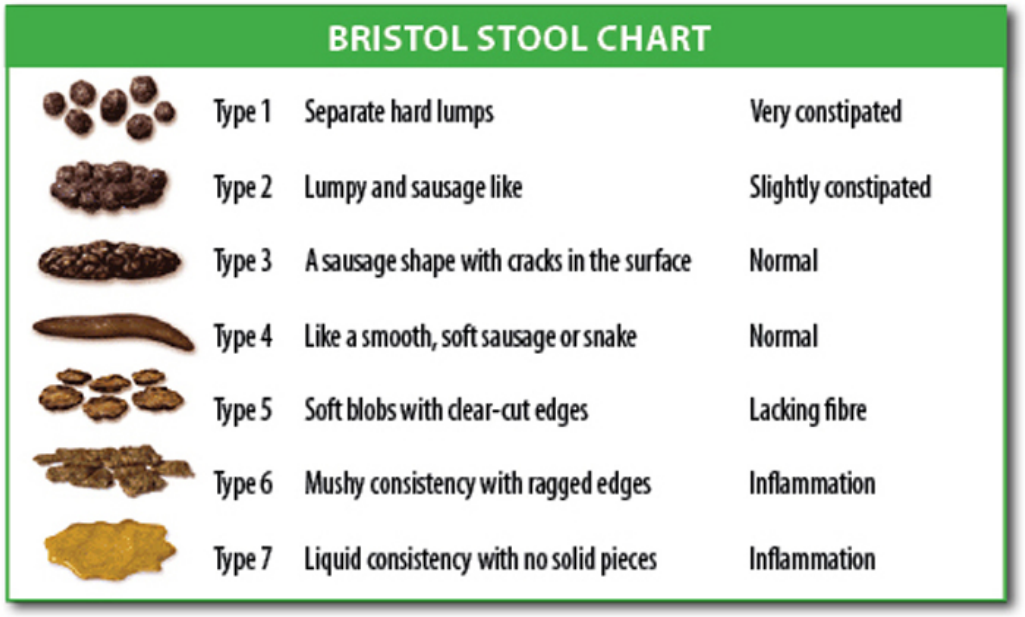
In deciding whether you are suffering from constipation, consider not how often you poo, but how difficult it is. See the Bristol Stool Chart which makes for interesting reading. You should be aiming for a 3-4 on this scale:
So, if you are experiencing difficulty, there are a number of options open to you:
1. eat more fibre: psyllium husks (available from wholefood shops) and plums. Both contain fibre but also agents which draw extra fluid into the gut making the whole poo process smoother.
2. drinking more fluid – if you don’t drink enough. Think about this when you travel long haul – all that airplane air is notoriously dehydrating.
3. pre or probiotics – living beneficial bacteria and their favourite foods can be a boost to your digestive and immune systems.
4. try to go to the loo when you need to go – wherever possible, rather than suppressing it. The more we shy away from a poo, the more likely the problem is to grow.
5. get moving! – exercise on a daily basis is known to get bowels moving.
Constipation can happen at any time of life but is particularly common in the young and the elderly. But whenever it happens, common outcomes are haemmorhoids (piles) or anal fissures – a tear or open sore in the anal canal, the last part of the large intestine. They can lead to rectal bleeding – alarming and painful. The situation worsens the longer or more severe the constipation.
How homeopathy helps with constipation
Homeopathy has a great track record with all things digestive and makes the links with skin, immunity and mood too! And all without side effects or toxicity which can be present in conventional methods of treatment.
It helps with both constipation and the consequences, such as fissures. As you will have noted, constipation can also come about through stress, tension or grief. Remedies such as CALC CARB, AESCULUS (common in over the counter creams), NAT MUR and LYCOPODIUM are often used to treat constipation in my practice.
Homeopathy recognises that everyone’s responses are different, and there are over 200 remedies on hand to address these issues.
Extended learning
One of the podcasts I listen to when I am walking our dog is call ‘Stuff You Should Know’. This American programme deals with a range of subjects such as Mosquitoes, Avalanches, Positive Parenting.. but this one is all about poo. Click here to listen for free
Want personal answers? Click here if you want to talk through how homeopathy can help your unique case. No need to be embarrassed. No need at all.